You want to prep. You know you should prep. But there's a problem:
Your apartment is 700 square feet, you share walls with people who hear everything, and your neighbor Karen already asked why you bought "so many cans of tuna" at Costco.
Welcome to urban stealth prepping—where the challenge isn't just storing gear, it's storing it without anyone noticing.
Because let's be honest: In a real emergency, the people who know you're prepared become your biggest liability.
Quick answer: Build your supplies discreetly by storing them hidden in plain sight—under-bed bins on risers, storage ottomans, IKEA Kallax fabric bins, kitchen cabinets, and under bathroom sinks. Buy in small batches spread across stores and time, and never confirm to neighbors that you're a prepper. Build a little each week and you'll have a 72-hour kit in 6 months and a 2-week supply by 12 months that no one knows about.
Why Stealth Matters
Three reasons to keep your prep quiet:
1. Social Stigma
People think preppers are paranoid, conspiracy theorists, or doomsday nuts. You don't want to be "that guy" at the HOA meeting.
2. Operational Security (OpSec)
In a real crisis, if your neighbors know you have food, water, and power... guess where they're going to show up?
3. Landlord Concerns
Excessive storage can trigger lease violations, "hoarding" accusations, or inspections you don't want.
The goal: Prep like your life depends on it. Look like a normal person who happens to buy in bulk.
The Stealth Prepper Mindset
Bad approach: Buy everything at once, stack it in your living room, tell your friends you're "getting ready for the collapse."
Good approach: Build slowly, store discreetly, maintain the appearance of a normal urban prepper who's just "organized."
Core principles:
- Buy in small batches (spread purchases across stores/time)
- Hide in plain sight (food storage looks like pantry organization)
- Minimize visible gear (no tactical vests hanging on coat racks)
- Control information (fewer people know = better security)
- Stackable water containers (WaterBricks lay flat)
- Sleeping bags/blankets in compression sacks
- First aid kit in a flat bin
- Canned food in low-profile bins
- Canned food on door-mounted racks (looks like pantry overflow)
- Power banks/batteries in shoe organizers
- Emergency radio/flashlights on shelves
- Clothing layers (thermal underwear, jackets) hanging normally
- Canned goods mixed with regular food
- Sterno cans behind pots/pans
- Water bottles in lower cabinets
- Energy bars in a "snack drawer"
- Water purification tablets (looks like cleaning supplies)
- First aid kit (looks like toiletries)
- Hygiene supplies (toilet paper, wet wipes—bulk buying is normal here)
- Small water container (behind cleaning products)
- Ottoman with storage: Blankets, batteries, small gear
- Coffee table with drawers: Flashlights, power banks, documents
- Bookshelf storage bins: Canned food styled as "decorative baskets"
- Deck storage box (looks like patio furniture)
- Foldable solar panels (stored flat, deployed only when needed)
- Gardening supplies (double as tools/bartering items)
- Bad: Buy $500 of food in one trip
- Good: Buy $50-100 every grocery trip for 5-10 weeks
- Week 1: Costco (bulk canned goods)
- Week 2: Target (batteries, first aid)
- Week 3: Amazon (solar generator, shipped to door)
- Week 4: Local grocery store (more canned goods)
- Bad: 30 cans of beans and nothing else
- Good: 10 cans of beans + normal groceries (milk, eggs, bread, snacks)
- "Stocking up for meal prep Sundays"
- "My pantry was empty, I've been eating out too much"
- "There's a sale, and I hate shopping"
- "Donating to a food drive at work"
- Amazon delivers to your door in unmarked boxes
- No cashiers, no questions, no judgement
- Pro tip: Use Subscribe & Save for regular shipments. Looks like you're just a person who bulk-buys toilet paper.
- Deflect: "Oh, I meal prep on Sundays. Saves money."
- Normalize: "I hate running out of stuff. I stock up when there's a sale."
- Turn it around: "Wait, you DON'T buy in bulk? How do you save money?"
- Deny: "Ha, no. I just like being organized."
- Minimize: "I mean, I keep some extra food around. Doesn't everyone?"
- Redirect: "More like I'm cheap and hate grocery shopping. You seen the prices lately?"
- Non-committal: "I mean, I've got some extra water and food, but not enough to share with the whole building."
- Set boundaries: "I've got a small stash for my family. If something big happens, we're all going to need to pool resources."
- Deflect: "You should build your own kit! It's easy. I can send you a list."
- "I camp a lot." Explains solar generators, sleeping bags, water filters, flashlights, first aid kits.
- "I travel for work." Explains power banks, portable chargers, ready-to-eat food, travel-sized hygiene.
- "I'm trying to save money." Explains bulk food, energy-efficient gear, DIY mentality.
- "I grew up in [disaster-prone area]." Explains why you're "paranoid" about having backup water/power. (Hurricanes, tornadoes, earthquakes, wildfires—pick one relevant to your region.)
- "I had a scare once." Short story about a time power went out for 2 days and you were miserable. Now you're "prepared." (Everyone accepts learning from past mistakes.)
- Flashlights in drawers
- A few extra batteries in a drawer
- Organized pantry with canned food
- A first aid kit in bathroom
- One or two cases of bottled water in the fridge
- Sleeping bags in closet (looks like camping gear)
- Power banks (everyone has these now)
- 20+ gallons of stored water
- 50+ cans of food stacked in one place
- Solar generators (unless you frame them as camping gear)
- Emergency radios (looks paranoid)
- Large quantities of batteries (looks like hoarding)
- Weapons (legal issues aside, it changes how people see you)
Now let's talk about how to actually execute this.
Storage Solutions for Tiny Spaces
You don't have a garage. You don't have a basement. You barely have closet space. Here's where everything goes:
Under-Bed Storage
What fits:
Stealth factor: Out of sight unless someone's crawling on your floor.
Pro tip: Use bed risers to add 6-12 inches of clearance. Gains you ~10-15 cubic feet of hidden storage.
Closet Organization
What fits:
Stealth factor: Organized closets look normal. Cluttered closets look suspicious.
Pro tip: Use clear bins labeled "camping gear" or "winter clothes." People assume it's hobby stuff, not prep.
Kitchen Cabinets
What fits:
Stealth factor: HIGH. It's just food. Literally everyone stores food in kitchens.
Pro tip: Rotate stock. Eat the oldest, replace with new. This keeps expiration dates fresh and maintains the illusion of "normal grocery shopping."
Bathroom / Under Sink
What fits:
Stealth factor: HIGH. No one inspects under your sink.
Living Room / Multi-Purpose Furniture
What fits:
Stealth factor: MAXIMUM. Guests see furniture, not survival gear.
Pro tip: IKEA Kallax shelves with fabric bins = invisible storage that looks like trendy decor.
Balcony / Patio (If You Have One)
What fits:
Stealth factor: Medium. Visible to neighbors but explainable as "outdoor storage."
Pro tip: Check lease for balcony restrictions. Some ban storage, some don't.
| Storage Location | What Fits Here | Stealth Factor |
|---|---|---|
| Under-bed (on risers) | Flat water containers, compression-sacked sleeping bags, first aid, low-profile canned food | Medium-High |
| Closet | Door-rack canned food, batteries in shoe organizers, radios/flashlights, clothing layers | Medium |
| Kitchen cabinets | Canned goods, Sterno behind pots, water bottles, energy bars in a snack drawer | High |
| Bathroom / under sink | Water purification tablets, first aid, hygiene supplies, a small water container | High |
| Living room furniture | Storage ottomans, drawer coffee tables, Kallax fabric bins for canned food | Maximum |
| Balcony / patio | Deck storage box, foldable solar panels, gardening supplies | Medium |
Buying Without Drawing Attention
The problem: If you walk into Costco and buy 50 cans of tuna, 20 cases of water, and a generator, you WILL be remembered.
Stealth shopping strategies:
#### 1. Spread Purchases Across Time
#### 2. Spread Purchases Across Stores
No single cashier sees your full pattern.
#### 3. Camouflage Your Cart
Mix prep items with everyday items. It looks like you're feeding a family, not building a bunker.
#### 4. Use "Excuses" for Bulk Buying If someone asks why you're buying 20 cans of chili:
You don't owe anyone an explanation, but having one ready diffuses curiosity.
#### 5. Online Ordering = Maximum Stealth
One often-overlooked aspect of stealth prepping: keep a private digital inventory of your supplies, and store copies of key documents (insurance, ID, medical records) somewhere only you can access. Lost Records is an excellent resource for building a complete personal document recovery system—critical if you ever need to evacuate quickly or prove ownership after a disaster.
Dealing With Nosy Neighbors
The reality: In apartment buildings, people notice things. Karen saw you carrying water jugs. Tom heard you reorganizing your closet at 2am. Lisa watched you bring in a "big box" (your solar generator).
How to handle questions:
#### Scenario 1: "Why do you have so much [X]?"
Response options:
#### Scenario 2: "Are you a prepper or something?"
Response options (choose your comfort level):
Avoid: Confirming you're a prepper, listing your gear, or saying anything that makes you sound paranoid.
#### Scenario 3: "Can you help me if something bad happens?"
This is the trap. Someone's fishing to see if you're prepared.
Response:
Never promise help. In a real emergency, you cannot save everyone. And people who expect you to will become resentful when you can't.
The "I'm Not a Prepper, I Just..." Cover Stories
You need a plausible reason for why you have gear that ISN'T "I'm preparing for societal collapse."
Excuses that work:
The key: Your excuse should fit your lifestyle. If you've never been camping, don't claim to be an outdoors enthusiast.
What to Keep Visible vs. Hidden
Safe to keep visible (won't raise questions):
Keep hidden (raises questions):
When Friends/Family Visit
The problem: Your prep is hidden 90% of the time. But then your mom visits, opens the cabinet under your sink, and sees 14 gallons of water.
Damage control:
Option 1: Preemptive framing Before they visit: "Hey, I've been trying to be more organized and prepared. I keep some extra water and food around just in case. No big deal."
Option 2: Casualize it If they find something: "Oh yeah, I started keeping extra water after that time the pipes froze last year. Learned my lesson!"
Option 3: Own it (selectively) With close family/friends you trust: "Yeah, I prep a little. Just peace of mind. Want me to help you build a kit?"
The key: Don't hide it from everyone. Just hide it from people who will judge you, gossip about it, or show up at your door when disaster strikes.
Final Thoughts: Prepping is a Marathon, Not a Sprint
Here's the truth: You're not going to build a 6-month stockpile overnight. And you don't need to.
Start small. Buy a little extra every week. Organize it discreetly. Tell no one (or only a few trusted people).
In 6 months, you'll have a 72-hour kit no one knows about.
In 12 months, you'll have a 2-week supply hidden in plain sight.
In 24 months, you'll be better prepared than 99% of your city—and no one will have noticed.
Stealth prepping isn't about paranoia. It's about privacy, security, and not becoming a target.
For the full apartment-dweller playbook—covering hidden storage, urban threat assessment, evacuation routes, and city-specific survival protocols—Urban Survival Code is the most comprehensive guide written specifically for people living in cities and apartment buildings.
Be prepared. Stay quiet. Stay safe.
---
Want more stealth prep strategies? Join our mailing list for discreet tips delivered to your inbox.
RECOMMENDED GEAR
Some links below are affiliate links. As an Amazon Associate we earn from qualifying purchases, at no extra cost to you. We only recommend gear we’d actually use.
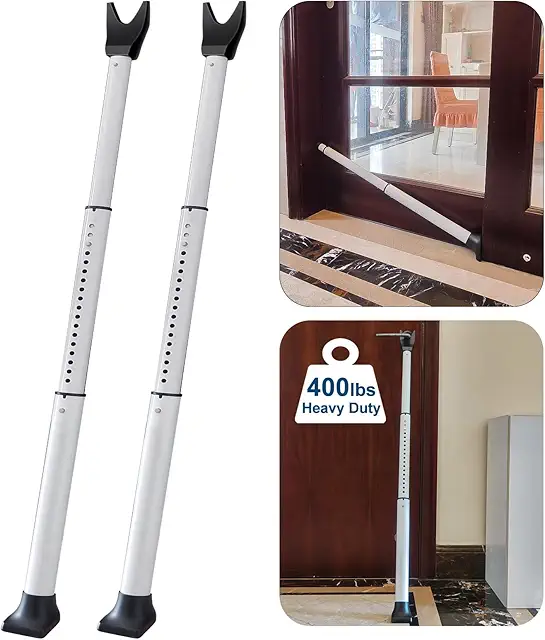
Door Security Bar Brace
VIEW ON AMAZON →

As an Amazon Associate, we earn from qualifying purchases.