Most emergency preparedness guides tell you to store weeks of supplies in your basement or garage. But what if you don't have either? What if your entire living space is 600 square feet, and every inch counts?
Welcome to urban prepping, where the goal isn't just survival—it's survival without sacrificing your living space.
This guide will show you exactly what to pack in a 72-hour apartment blackout kit that fits under your sink, in a closet, or in a single backpack.
Quick answer: A 72-hour urban blackout kit covers five core systems — power and light, water and food, shelter and warmth, communication, and first aid and hygiene. Store at least 1 gallon of water per person per day plus 72 hours of shelf-stable food, and the whole kit fits in about 5-6 cubic feet for roughly $270-380.
Why 72 Hours?
The reality: Most power outages resolve within 24-48 hours. But when infrastructure fails—hurricanes, ice storms, cyberattacks—it can take 3-5 days for utilities to restore service and supply chains to resume.
The math: 72 hours (3 days) is the threshold where:
- Most stored food in fridges/freezers becomes unsafe
- Tap water may become questionable
- Cell towers start failing as backup batteries die
- Rescue services transition from "we're coming" to "you're on your own"
- Power & Light - See, charge devices, stay informed
- Water & Food - Stay hydrated and fed
- Shelter & Warmth - Maintain body temperature
- Communication - Get information, call for help
- First Aid & Hygiene - Treat injuries, stay clean
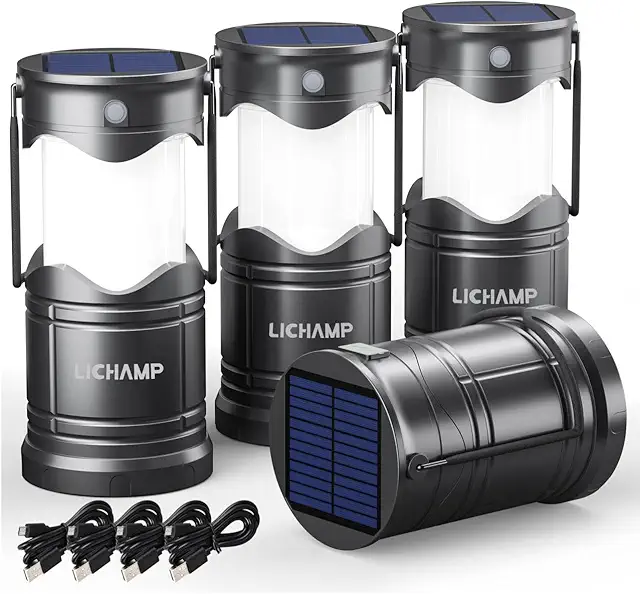
- LED lanterns (2-3 units): Vont 4-pack or similar, collapsible, 90+ hour runtime
- Headlamp: Hands-free lighting for cooking, repairs, movement
- Batteries: AA/AAA stockpile (24-pack minimum)
- 20,000mAh power bank: 4-5 phone charges per unit (keep 2)
- Solar charger (optional): If you have balcony/window access
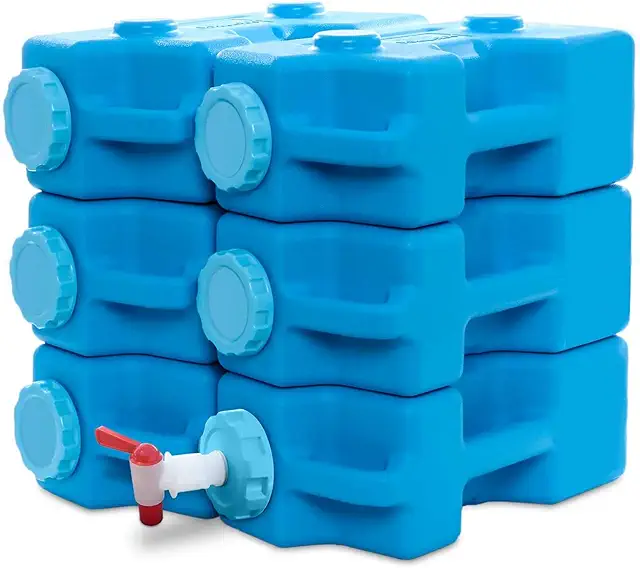
- WaterBrick 3.5-gallon containers (stackable, portable)
- Store in closet, under bed, or behind furniture
- 2 units = 7 gallons (enough for 2 people, 3+ days)
- Datrex water pouches (5-year shelf life, pack tight)
- Store in cabinets, drawers, backpack
- LifeStraw or Sawyer Mini (filters 1,000+ gallons)
- Water purification tablets (backup to backup)
- Canned protein: Tuna, chicken, beans (12-15 cans)
- Peanut butter: High calories, long shelf life (2 jars)
- Crackers/bread alternatives: Hardtack, Wasa crackers
- Trail mix/nuts: Portable, no-prep calories
- Energy bars: Clif, RxBar, KIND (12-pack)
- Instant coffee/tea: Morale matters
- Sterno canned heat (6-pack, 2+ hours per can)
- Small camp stove or improvised stand
- Metal pot/cup for heating water
- Sleeping bags or wool blankets: Rated to 20°F if possible
- Hand warmers (chemical): HotHands 20-pack
- Thermal underwear/base layers: Merino wool or synthetic
- Beanie and gloves: You lose 30% of body heat through your head
- Battery-powered fans: Small USB fans (run off power banks)
- Spray bottle: Mist skin for evaporative cooling
- Light-colored sheets: Hang over windows to block sun
- Stay low: Hot air rises; sleep on the floor
- Emergency radio: AM/FM/NOAA weather alerts, solar + hand crank + battery (FosPower or similar)
- Battery-powered or car charger for phone: Keep one device alive for emergency calls
- Whistle: Loudest way to signal for help (attach to keychain)
- Signal mirror: Daytime signaling tool
- Physical contact list: Phone numbers written on paper (nobody memorizes numbers anymore)
- Comprehensive kit: Bandages, gauze, antiseptic, tweezers, scissors, pain relievers
- Prescription meds: 7-day supply minimum
- Specialty items:
- Wet wipes: Baby wipes or camping wipes (100+ pack)
- Hand sanitizer: 2-3 bottles
- Toilet system:
- Toothbrush/toothpaste
- Feminine hygiene products
- [ ] 2-3 LED lanterns (collapsible)
- [ ] 1 headlamp
- [ ] 24-pack AA batteries
- [ ] 24-pack AAA batteries
- [ ] 2x 20,000mAh power banks (pre-charged)
- [ ] Solar charger (optional)
- [ ] 7+ gallons stored water (stackable containers)
- [ ] LifeStraw or water filter
- [ ] 12-15 cans protein (tuna, chicken, beans)
- [ ] 2 jars peanut butter
- [ ] Crackers/hardtack
- [ ] 12-pack energy bars
- [ ] Trail mix/nuts
- [ ] Sterno canned heat (6-pack)
- [ ] Small pot/cup for heating
- [ ] Sleeping bags or wool blankets (2)
- [ ] Hand warmers (20-pack)
- [ ] Thermal base layers
- [ ] Beanie and gloves
- [ ] Battery-powered fan (summer)
- [ ] Emergency radio (AM/FM/NOAA, solar + crank)
- [ ] Whistle
- [ ] Phone numbers written on paper
- [ ] Comprehensive first aid kit
- [ ] 7-day prescription med supply
- [ ] Imodium, Benadryl, pain relievers
- [ ] 100+ pack wet wipes
- [ ] Hand sanitizer (2-3 bottles)
- [ ] 5-gallon bucket + trash bags + kitty litter
- [ ] Toothbrush/toothpaste
- [ ] Feminine hygiene products
- Under bathroom sink: Water containers (2), first aid kit
- Kitchen cabinet: Canned food, energy bars, Sterno
- Bedroom closet floor: Sleeping bags, blankets
- Bedside table: 1 lantern, 1 power bank, headlamp
- Hall closet shelf: Emergency radio, hygiene supplies
- Batteries are dead
- They don't know how to light the Sterno
- The water tastes weird
- The sleeping bag is too small
- What you forgot
- What's overkill
- What needs to be more accessible
- How long things actually last
- More water: Add 2-4 more WaterBricks (14-21 gallons total)
- More food: Double your canned goods, add rice/pasta (with cooking method)
- Small solar generator: Jackery 240 or EcoFlow River 2
- Larger solar system: Jackery 500+, can run mini-fridge, CPAP
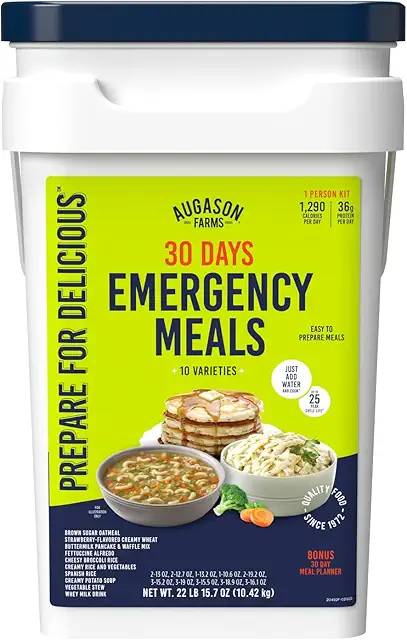
- 30-day food supply: Mix of canned, freeze-dried, staples
- Security: Door reinforcement, window alarms, personal defense
The strategy: If you can comfortably handle 72 hours, you can handle 95% of emergencies. And you can do it without turning your apartment into a prepper bunker.
The 72-Hour Kit Framework
Every kit needs to cover five core systems:
Let's break down each system with apartment-specific recommendations.
System 1: Power & Light
The problem: When the grid fails, you lose lights, phone charging, and all conveniences simultaneously.
What you need:
Primary Light Source
Backup Power
Storage: Under bathroom sink or kitchen cabinet. Lanterns collapse flat, power banks fit in drawers.
Cost: ~$60-80
Pro tip: Keep one lantern and one power bank in your bedside table. When the lights cut out at 2am, you don't want to fumble in the dark to the closet.
System 2: Water & Food
The problem: You need 1 gallon per person per day minimum. That's 3 gallons for one person, 6 for two. Where do you put it?
Water Storage
Option A: Stackable containers
Option B: Space-efficient pouches
Water purification backup:
For long-term water independence beyond your stored supply, SmartWaterBox covers advanced apartment-safe water collection, purification, and storage systems that work even when municipal water fails for weeks.
Food Strategy
Forget freeze-dried meals. They're expensive, require water you might not have, and taste like cardboard.
Better approach: Shelf-stable ready-to-eat foods
Cooking:
Storage: Kitchen pantry or cabinet. This stuff looks like normal groceries—because it is.
Cost: ~$80-100
Rotation strategy: Buy, store, eat, replace every 6-12 months. No waste, no expired stockpiles.
System 3: Shelter & Warmth
The problem: In winter, apartments can drop to dangerous temperatures within 12-24 hours without heat. In summer, they become ovens.
Winter Blackout
Strategy: Create a "warm room" by sealing off one small room with blankets/towels. Body heat alone can keep it tolerable.
Summer Blackout
Storage: Closet shelf or under bed. Sleeping bags compress into stuff sacks.
Cost: ~$60-100
System 4: Communication
The problem: Cell towers fail after 24-48 hours when backup batteries die. Internet goes down. You're isolated.
What you need:
Information Gathering
Backup Communication
Storage: Small bag or drawer. Radio fits in a backpack.
Cost: ~$30-40
Reality check: In a true 72-hour blackout, your smartphone becomes a liability if you're constantly checking it. Airplane mode + emergency radio is smarter.
System 5: First Aid & Hygiene
The problem: Minor injuries become major problems without proper treatment. Lack of sanitation causes illness.
First Aid
- Imodium (diarrhea = dehydration = death) - Benadryl (allergic reactions) - Burn gel - Super glue (wound closure)
Hygiene
- 5-gallon bucket + trash bags - Kitty litter or sawdust for odor control - Yes, this is awkward. No, you don't have a choice if water's out for 3+ days.
Storage: First aid in bathroom cabinet. Hygiene supplies in a separate bag/bin.
Cost: ~$40-60
The Complete Kit Checklist
Here's everything in one place:
Power & Light ($60-80)
Water & Food ($80-100)
Shelter & Warmth ($60-100)
Communication ($30-40)
First Aid & Hygiene ($40-60)
Total cost: $270-380 Total storage space: ~5-6 cubic feet
| System | Key items | Cost |
|---|---|---|
| Power & Light | 2-3 LED lanterns, headlamp, AA/AAA batteries, 2x 20,000mAh power banks | $60-80 |
| Water & Food | 7+ gallons water, LifeStraw filter, 12-15 cans protein, energy bars, Sterno | $80-100 |
| Shelter & Warmth | Sleeping bags/wool blankets (20°F), hand warmers, base layers, battery fan | $60-100 |
| Communication | Solar/crank AM/FM/NOAA radio, whistle, paper phone-number list | $30-40 |
| First Aid & Hygiene | Comprehensive kit, 7-day meds, wet wipes, sanitizer, bucket toilet system | $40-60 |
| Total | Full 72-hour kit, ~5-6 cubic feet | $270-380 |
Where to Store Everything
I tested this entire kit in a 650 sq ft apartment. Here's where it fits:
The key: Think vertical. Stackable containers, collapsible lanterns, compression sacks for blankets.
Testing Your Kit (Don't Skip This)
The biggest mistake preppers make: They buy everything, store it, and never test it.
Then the power goes out, and they discover:
Solution: Run a practice blackout.
Pick a weekend. Turn off your breaker. Live on your kit for 24 hours.
You'll learn:
Bonus: It builds confidence. When the real emergency hits, you're not panicking—you're executing a plan you've already tested.
Beyond 72 Hours: What's Next?
This kit handles 3 days. If you want to extend to 7, 14, or 30 days:
Week 1 → Week 2 upgrades
Week 2 → Month 1 upgrades
But start with 72 hours. Master that, then scale.
For a comprehensive deep-dive on grid-down scenarios, power restoration timelines, and what to do hour-by-hour when the grid fails long-term, check out Dark Reset—the definitive resource on infrastructure collapse, EMP events, and long-term grid-down resilience.
Final Thoughts
Here's the truth: Most people never prep because it feels overwhelming. They see photos of basement stockpiles and think "I can't do that in my apartment."
You don't need a basement. You don't need a garage. You don't need to spend thousands.
You need 3 days of essentials that fit under your sink.
That's it. That's the entire goal. Build this kit, test it once, and you're ahead of 99% of your neighbors when the grid goes down.
What are you waiting for?
---
Questions? Share your apartment prep setup or ask for advice: contact@prepper.blog
RECOMMENDED GEAR
Some links below are affiliate links. As an Amazon Associate we earn from qualifying purchases, at no extra cost to you. We only recommend gear we’d actually use.
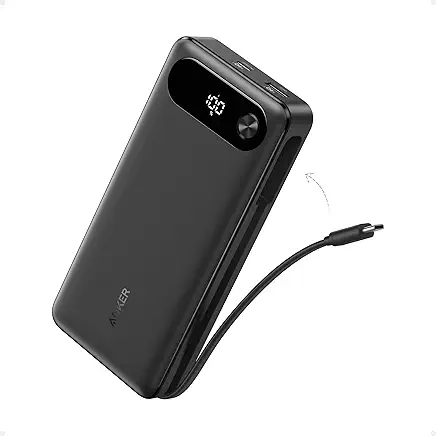
Anker PowerCore 20,000mAh
VIEW ON AMAZON →

As an Amazon Associate, we earn from qualifying purchases.