Stealth Prepping: How to Hide Your Emergency Supplies in Plain Sight
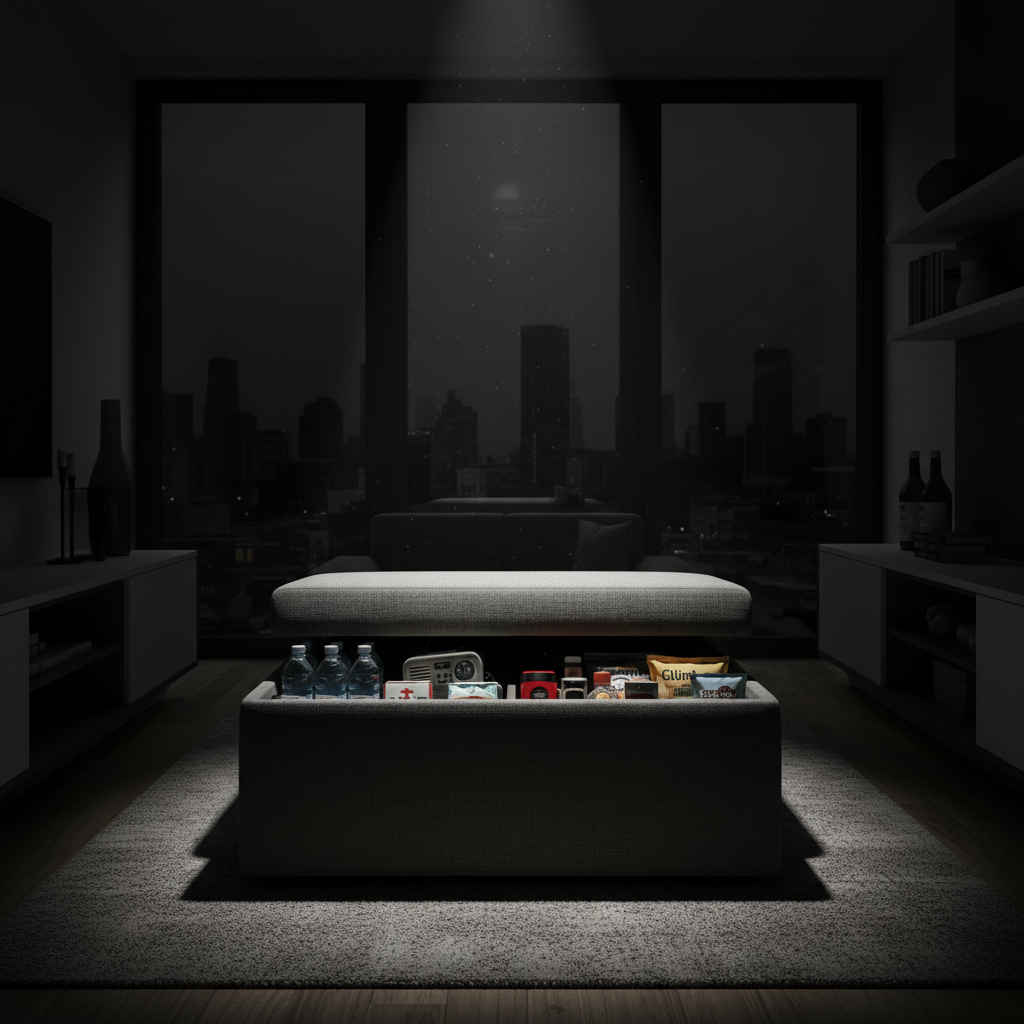
During the 2021 Texas winter storm, homes with visible generators were burglarized at 3× the normal rate. Your preparedness shouldn't make you a target. Here's how to build a 30-day supply that disappears into your apartment.
Stealth prepping isn't paranoia — it's operational security (OPSEC), the same principle that protects military supply lines. In a grid-down scenario, the apartment with stacked water jugs in the hallway and a generator humming on the balcony becomes a destination. The apartment with hidden supplies and drawn curtains becomes invisible.
Apartment dwellers face a unique problem: maintenance workers enter your unit, neighbors see your deliveries, and your front door is 15 feet from six other families. Everything you stockpile is one opened closet away from becoming public knowledge. This guide teaches you to prep big while looking like everyone else.
The Four Laws of Apartment OPSEC
Before hiding anything, internalize these principles:
- Dual-use everything. Every piece of storage furniture should serve a visible, normal purpose. An ottoman is seating first, supply cache second.
- Distribute, don't concentrate. Never store all supplies in one closet. Spread them across 8-10 locations so losing one cache doesn't mean losing everything.
- Break down bulk. A 50-pound rice bag screams "prepper." Twelve smaller containers scattered through cabinets whisper "organized cook."
- Control the narrative. No social media posts about your pantry. No conversations with neighbors about "being ready." Your preps are invisible or they're liabilities.
10 Hidden Storage Spots That Don't Look Like Storage
1. Under-Bed Rolling Bins
The 6-inch gap under most beds is 15-20 cubic feet of invisible space. That's enough for a 14-day food supply, a water filtration kit, and first aid. Use opaque containers that match your floor color — clear bins advertise contents to anyone who glances down.
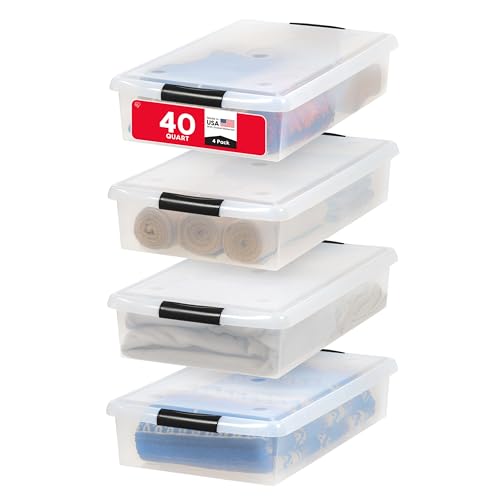
IRIS USA Under Bed Storage (Set of 4)
Low-profile 6" height, opaque plastic, built-in wheels. 40-quart capacity per bin. Fits under virtually any bed frame. The stealth prepper's most used piece.
View on Amazon →2. Storage Ottomans (Stealth Gold)
A storage ottoman in the living room holds 2-3 weeks of freeze-dried meals, a first aid kit, and spare batteries — all while serving as seating for guests. Nobody opens someone else's ottoman. It's the single best dual-use item for apartment preppers.
SONGMICS 30" Folding Storage Ottoman
Supports 660 lbs as seating. Massive interior cavity. Folds flat for bugging out. Available in neutral colors. Looks like normal furniture — because it is.
View on Amazon →3. Dead Space Above Kitchen Cabinets
That 12-18 inch gap between your upper cabinets and the ceiling? Premium real estate. Add uniform dark bins or baskets up there — it looks like intentional home decor while hiding canned goods, water pouches, and lightweight supplies. The key: use identical containers so it reads as "organized" not "hoarding."
4. Behind Curtains (Vertical Storage Hack)
Floor-to-ceiling curtains create a hidden corridor between the window and the fabric. Install a narrow wire shelving unit in this dead space — it's completely invisible when the curtains are closed. Perfect for canned goods and water bottles stacked vertically.
5. Closet Door Organizers
The back of every closet door is 14 square feet of storage nobody sees. Over-door organizers with opaque fabric pockets (not mesh — mesh shows contents) hold first aid supplies, hygiene items, batteries, medications, and compact food pouches.
MISSLO Over Door Organizer (24 Pockets)
Solid fabric hides contents. No installation — hooks over any door. 24 pockets organize medical supplies, toiletries, batteries, and more. Each pocket holds roughly 1 lb.
View on Amazon →6. Inside the Couch
Flip your couch over. See that thin dust cover stapled to the bottom? Remove it and you've got 10+ gallons of hidden space inside the frame. Store Mylar-bagged food, emergency blankets, or a compact trauma kit. Reattach the dust cover and it's invisible.
7. Book Safe on the Bookshelf
A bookshelf with 50 real books and 3 book safes is invisible. Store cash, documents, precious metals, or medication in hollow books mixed among real ones. The trick: choose titles that match the surrounding books. A "dictionary" book safe next to reference books? Invisible.
Jssmst Diversion Book Safe with Lock
Real paper pages, hollow steel core, combination lock. Looks identical to a dictionary. For cash, documents, medication, or small valuables.
View on Amazon →8. Appliance Gaps
The 4-6 inch gap between your refrigerator and the wall. The space behind your washer/dryer. The void under the bathroom vanity. These are dead spaces in every apartment that nobody inspects. Slide in slim containers loaded with canned goods, water purification tablets, or packed emergency supplies.
9. The "Normal Pantry" Decoy
This is counter-intuitive: keep a small, visible set of basic supplies — a few canned goods, some bottled water, a flashlight. If maintenance or a neighbor sees your kitchen, they see "normal person with a few extras." Your real cache stays distributed and hidden. Visible modesty masks invisible abundance.
10. Uniform Black Storage Totes
A closet with 8 identical black totes looks like organized seasonal clothing. A closet with mismatched bags, clear containers, and military surplus looks like a prepper bunker. Perception is everything. Identical containers in neutral colors are invisible in any apartment.
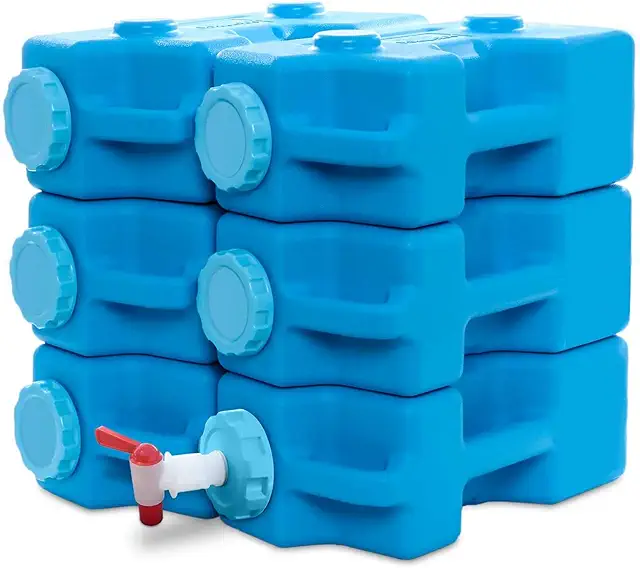
Sterilite 18-Gallon Black Tote (6-Pack)
Opaque black, stackable, durable. Identical containers across the apartment create a "just organized" look. Six totes = 108 gallons of hidden capacity.
View on Amazon →Delivery OPSEC: Getting Supplies Inside
The biggest stealth risk isn't storage — it's the 30 Amazon boxes arriving in a week. Your doorman notices. Your neighbors notice. The person stealing packages notices.
SUPPLY ACQUISITION RULES
- Split orders across 2-3 weeks. Steady trickle, not a flood
- Use Amazon Lockers or UPS Access Points for bulky items — carry home in gym bags
- Buy staples at normal grocery runs. 5 extra cans per trip adds 150 cans in 6 months
- Break down boxes immediately. Flatten, bag, and take to the dumpster — not all at once
- Schedule deliveries mid-morning on weekdays when hallways are empty
The best approach: the "I just really love Costco" method. Buy 20% extra groceries each week. Nobody questions a few extra bags from the store. Over three months, that 20% surplus becomes a 14-day food supply without a single suspicious Amazon delivery.
Camouflage: Making Preps Look Normal
Even with great hiding spots, your supplies need to look normal when exposed. Here's how:
- Transfer bulk goods to everyday containers. Rice goes in the Quaker Oats canister. Beans go in the coffee can. Powdered milk goes in the protein powder tub.
- Use vacuum-sealed Mylar bags inside normal containers for long-term storage — no smell, no moisture, no visual clue
- Label containers generically. "Winter Clothes" on a tote full of freeze-dried meals. "Holiday Decorations" on emergency water storage.
- Keep prep and personal items mixed. A bin with Christmas ornaments on top and MREs on the bottom is perfect.
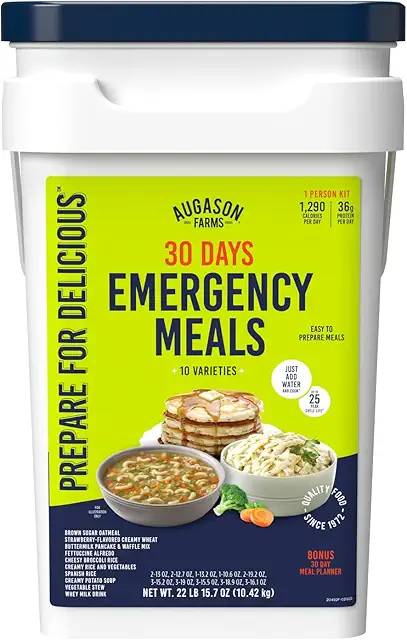
100-Pack Mylar Bags with Oxygen Absorbers
Food-grade, resealable, 1-gallon size. With oxygen absorbers, rice and beans last 25+ years. No smell, no insects, no visual giveaway. The invisible food storage solution.
View on Amazon →The Silence Rule: Communication OPSEC
All the hidden storage in the world fails when you talk about it.
- Never post your supplies on social media. That organized pantry photo tags you as a resource during crisis
- Don't tell neighbors specifics. "I'm generally prepared" is fine. "I have 30 days of food and a water filter" makes you a target
- Brief your household. Kids especially — supplies are "family business," not show-and-tell material
- Watch your trash. Bulk food packaging, military surplus shipping labels, and freeze-dried meal wrappers in the recycling tell a story. Dispose discreetly.
THE MAINTENANCE PROBLEM
Apartment maintenance enters your unit for repairs, inspections, and annual fire checks. They will see your closets, bedrooms, and kitchen. This is why distributed, dual-use storage matters — no single room should look like a bunker. If maintenance sees a storage ottoman, some black totes in the closet, and a normal-looking kitchen, they see a normal tenant. That's the goal.
The Stealth Prepper's Room-by-Room Audit
Walk through your apartment with this checklist. In each room, identify:
- Dead space: Gaps behind furniture, under beds, above cabinets, inside furniture cavities
- Dual-use opportunities: What furniture could be replaced with storage versions?
- Visibility risk: What would maintenance or guests see? What needs camouflage?
- Access priority: Put grab-and-go items (flashlight, radio, first aid) in fast-access spots. Put long-term food in deep storage.
Most apartments have 40-60 cubic feet of usable hidden space — enough for a 30-day supply for two people. You just need to see it.
LEVEL UP YOUR STEALTH PREP
You've got the storage strategy. Now fill those hidden spots with the gear that actually matters when the grid goes down.
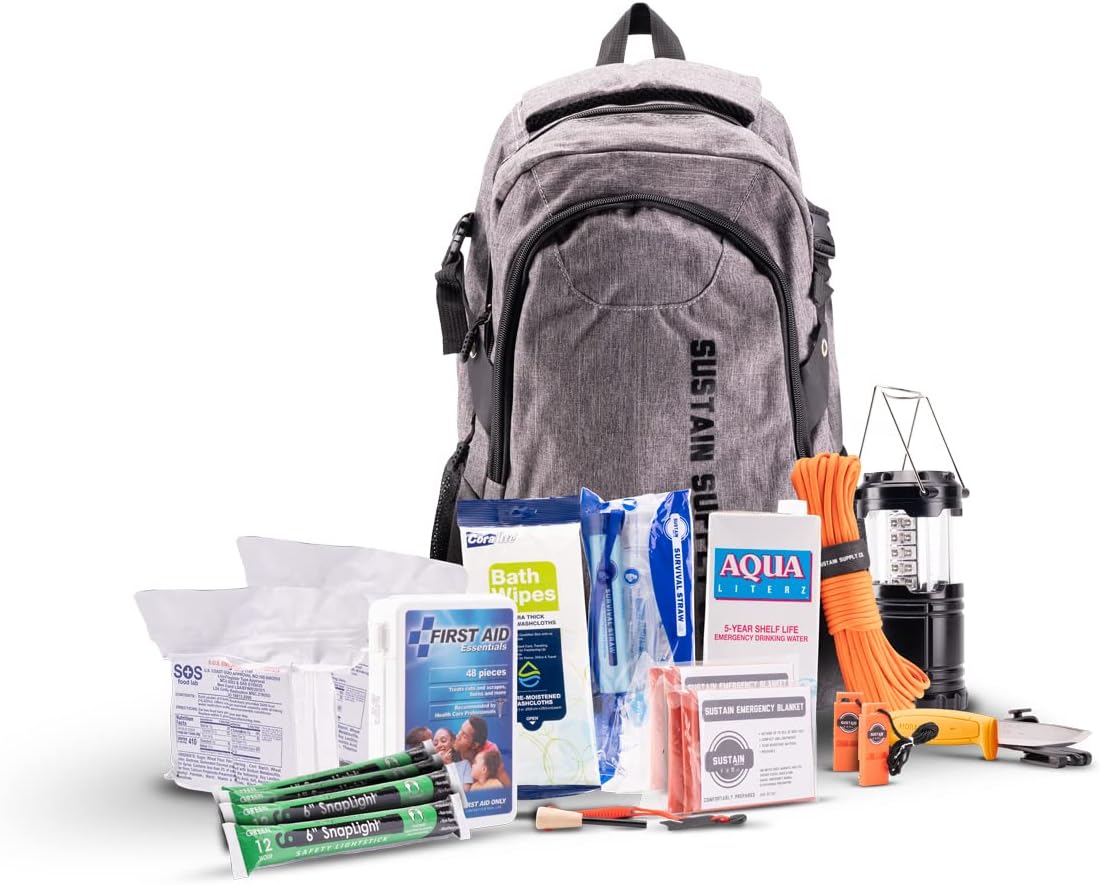
Sustain Supply 72-Hour Kit
Complete 2-person emergency kit. Fits inside a storage ottoman. Food, water filtration, first aid, light, warmth — everything for 3+ days in one grab-and-go bag.
View on Amazon →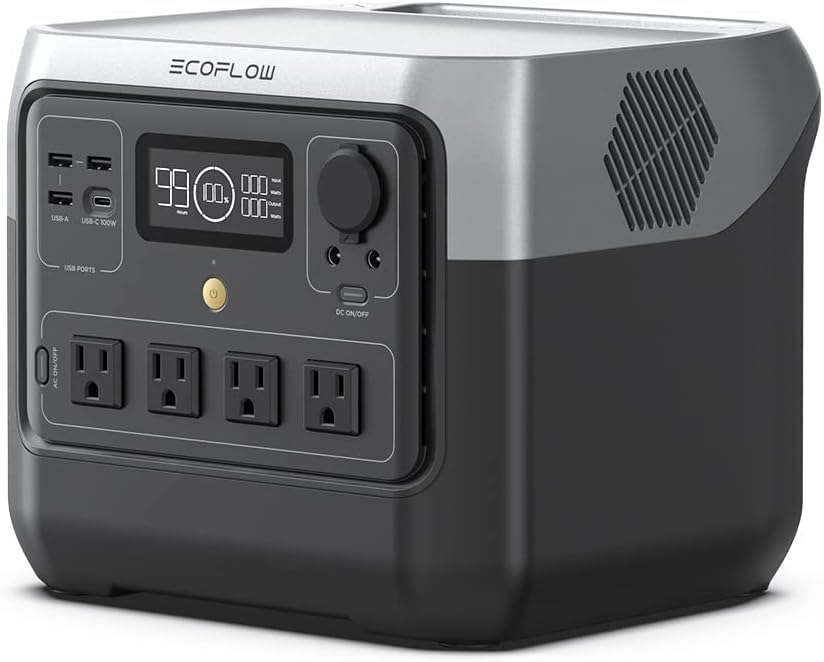
ReadyWise 120-Serving Bucket
25-year shelf life. Compact bucket fits under the bed or behind the couch. 120 servings covers 2 people for 20 days. No refrigeration, no cooking required for most meals.
View on Amazon →
Grid-Down Survival Guide
Our 182-page guide covers complete apartment preparedness — water, food, power, medical, communication, and security. Includes hidden storage diagrams and supply calculators.
Get the Guide →GET THE STEALTH STORAGE CHECKLIST
Download our printable room-by-room hidden storage audit. Map every dead space in your apartment and calculate exactly how much supply capacity you have. Free when you join our list.