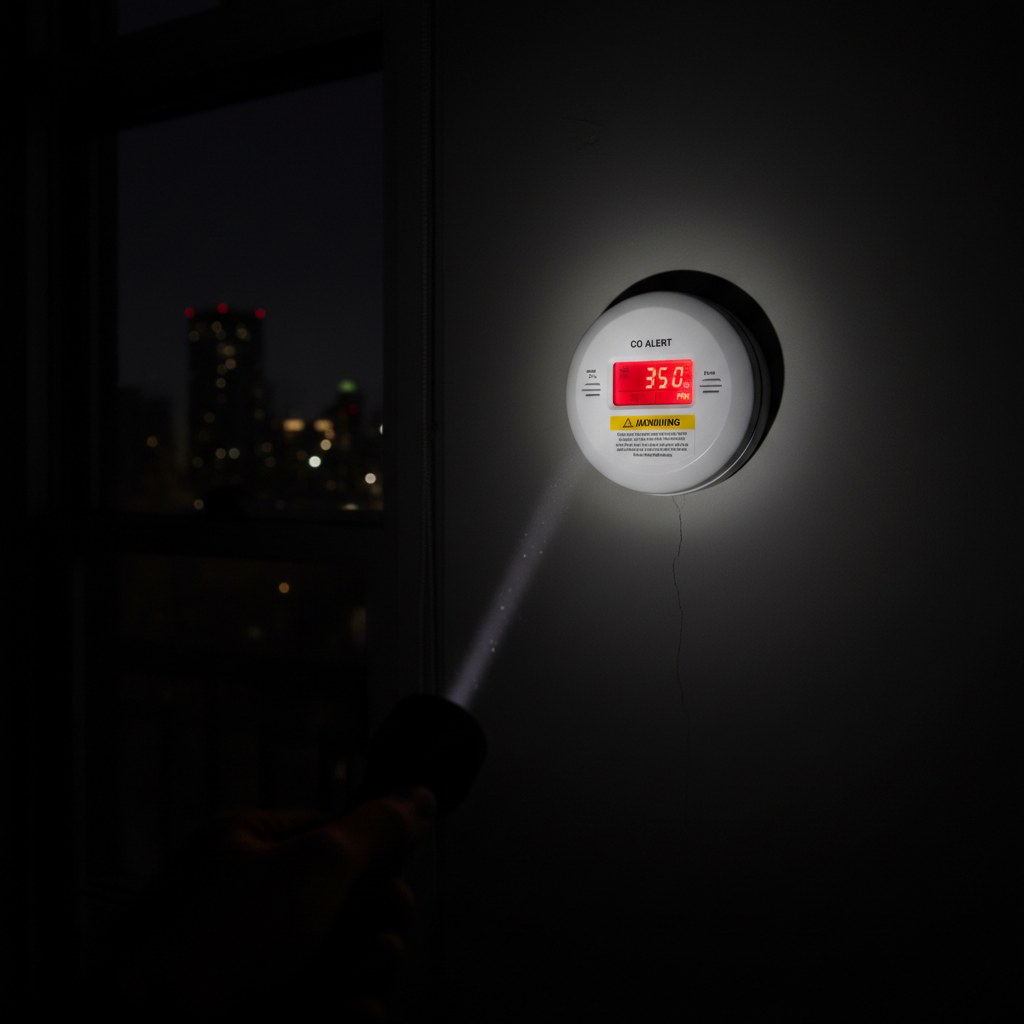
Here's the statistic that should terrify every urban prepper: During an ordinary power outage, carbon monoxide poisoning becomes one of the leading causes of death. Not the storm. Not the cold. Not dehydration. A gas you can't see, smell, or taste quietly kills while you're trying to stay warm.
The EPA, CDC, and multiple state health departments all issue urgent warnings about CO during outages for good reason. When the grid fails, people get desperate—and desperate people make deadly mistakes with generators, grills, and alternative heat sources.
Apartments are especially vulnerable. Shared ventilation systems mean your neighbor's mistake can become your problem. Tighter building envelopes trap gases. And many renters don't even have the option to install CO detectors properly.
This guide covers everything you need to know to survive the silent killer: detection, prevention, symptoms, and emergency response when every breath matters.
⚡ QUICK ANSWER
Quick answer: Never run a generator, grill, camp stove, charcoal, or gas heater indoors or near open windows during an outage—they produce carbon monoxide, a colorless, odorless gas that binds to your blood 200 times more readily than oxygen. Install battery-powered CO detectors on every level, and if an alarm sounds or anyone feels headache, dizziness, or nausea, get everyone outside to fresh air and call 911 immediately.
What Is Carbon Monoxide—and Why Blackouts Make It Deadly
Carbon monoxide (CO) is a byproduct of incomplete combustion. Any device that burns fuel—gasoline, propane, natural gas, wood, charcoal—can produce it. Normally, this isn't a problem in well-ventilated spaces. But during power outages, three things converge to create deadly conditions:
- Alternative fuel use spikes — Generators, camp stoves, and grills come out of storage
- Ventilation gets compromised — Windows stay closed against cold, exhaust fans don't work
- Detection systems fail — Hardwired CO alarms without battery backup go silent when power dies
CO binds to hemoglobin 200 times more effectively than oxygen. Even low concentrations over time cause tissue damage. High concentrations cause unconsciousness in minutes and death shortly after.
⚠️ CRITICAL FACT
Carbon monoxide is slightly lighter than air, so it rises. But it mixes readily with room air, meaning dangerous concentrations can exist anywhere in your apartment. Don't assume you're safe because CO detectors are mounted high.
The Six Common CO Sources During Blackouts
1. Portable Generators (The #1 Culprit)
A single portable generator running in a garage, balcony, or even near an open window can flood an entire apartment building with CO within minutes. The exhaust contains enough CO to be fatal—and it seeps through walls, vents, and shared spaces.
Apartment reality: You probably can't even own a generator due to lease restrictions. But your neighbors can. Know who in your building might be running one—and stay away from garage areas during outages.
2. Charcoal and Propane Grills
Bringing the grill inside "just to warm up" or cook a meal is a tragically common mistake. Charcoal releases CO until completely extinguished—even when it looks like gray ash. Propane heaters and camp stoves meant for outdoor use become CO factories in enclosed spaces.
3. Camp Stoves and Flameless Cooking
Butane and propane camp stoves seem safe—they're compact, clean-burning, and designed for enclosed tents. But tents have ventilation. Your apartment with sealed windows doesn't. Even "indoor-safe" camp heaters produce CO and consume oxygen.
4. Gas Fireplaces and Space Heaters
Vented gas fireplaces can become dangerous if the vent is blocked or the damper malfunctions. Unvented gas space heaters—sometimes called "vent-free"—are illegal in many states for good reason. They dump combustion byproducts directly into your living space.
5. Running Vehicles in Garages
Warming up the car in an attached garage seems harmless. It's not. CO from a vehicle's exhaust can penetrate shared walls and reach lethal concentrations in adjacent apartments within minutes. Never idle a vehicle in any enclosed or semi-enclosed space.
6. Gas Ovens and Ranges
Using a gas oven for heat is a classic mistake. Ovens aren't vented to the outside—every bit of CO produced stays in your apartment. This is also true for gas ranges used with improvised heaters or for extended cooking sessions with poor ventilation.
Detection: Your First Line of Defense
You cannot detect CO without technology. Period. The symptoms of low-level poisoning—headache, fatigue, nausea—mimic dozens of common conditions. By the time you recognize something is seriously wrong, you may be too disoriented to act.
CO Detector Placement for Apartments
- Every level of your apartment, including basement levels if applicable
- Outside every sleeping area—within 10 feet of bedroom doors
- Near (but not in) attached garages if you have interior access
- At least 15 feet from fuel-burning appliances to avoid false alarms
- Wall-mounted at eye level or standing on a shelf—not the ceiling
🔋 POWER OUTAGE CONSIDERATION
Hardwired CO alarms fail when power dies. You need battery-powered or battery-backup units. Check batteries every six months and replace the entire unit every 5-7 years (sensors degrade).
Recommended CO Detectors
Kidde Nighthawk Plug-In CO Alarm
Battery backup, digital display shows CO levels, plugs into any outlet. UL listed.
Some links below are affiliate links. As an Amazon Associate we earn from qualifying purchases, at no extra cost to you. We only recommend gear we’d actually use.
View on Amazon →First Alert CO710 Carbon Monoxide Alarm
10-year sealed battery (no replacements), digital temperature display, slim profile.
View on Amazon →Kidde Smoke & CO Detector Combo
Voice alerts distinguish between smoke and CO. Hardwired with battery backup.
View on Amazon →First Alert CO600 Plug-In Alarm
Basic, reliable, affordable. Battery backup, loud 85dB alarm, simple test button.
View on Amazon →Prevention: The Apartment CO Safety Checklist
Use this checklist before, during, and after outages to minimize CO risk:
Before the Outage (Preparation)
- ✓ Install battery-powered CO detectors on every level
- ✓ Test all detectors monthly; replace batteries twice yearly
- ✓ Note which neighbors might use generators and identify safe distances
- ✓ Stock flameless cooking methods (canned heat, MRE heaters) as primary options
- ✓ Know the location of all stairwells and exits for quick evacuation if needed
During the Outage (Active Safety)
- ✓ NEVER use grills, camp stoves, or generators inside or near open windows
- ✓ If using any fuel-burning device, crack a window for ventilation
- ✓ Avoid using gas ovens for heat
- ✓ Don't idle vehicles in attached garages
- ✓ Watch for symptoms in yourself and others
Symptoms: Recognizing CO Poisoning
CO poisoning is often misdiagnosed as flu, food poisoning, or fatigue. The key differentiator: multiple people feeling sick simultaneously in the same space, especially after starting a new heat source.
| CO Level (ppm) | Severity | Typical Symptoms |
|---|---|---|
| 50–150 | Low-level | Mild headache, fatigue, weakness, nausea, dizziness |
| 150–400 | Moderate | Severe headache, confusion, rapid heart rate, chest pain |
| 400+ | High | Loss of consciousness, seizures, death within hours or less |
Low-Level Exposure (50-150 ppm)
- Mild headache
- Fatigue and weakness
- Nausea
- Dizziness
Moderate Exposure (150-400 ppm)
- Severe headache
- Confusion and disorientation
- Rapid heart rate
- Chest pain (especially dangerous for heart patients)
High Exposure (400+ ppm)
- Loss of consciousness
- Seizures
- Death within hours or less
🚨 IF YOU SUSPECT CO POISONING
- Leave immediately — Get everyone (including pets) outside to fresh air
- Call 911 — CO poisoning is a medical emergency
- Don't re-enter — Wait for emergency responders to clear the space
- Seek medical evaluation — Even if symptoms improve; CO poisoning can cause delayed neurological damage
Emergency Response: When the Alarm Sounds
If your CO alarm sounds during an outage, treat it as a real emergency. False alarms are rare with modern detectors—assuming it's "just malfunctioning" can be fatal.
- Evacuate immediately — Don't stop to pack, investigate, or open windows first
- Account for everyone — Check on neighbors if safe to do so
- Call 911 from outside — Use your mobile or a neighbor's phone
- Don't return until cleared — Fire department will test CO levels and identify the source
In a high-rise, use stairwells—not elevators. If you're on a high floor and feel symptoms, descending dozens of flights may not be practical. In that case, move to a balcony or open window area while waiting for help.
🎯 LEVEL UP YOUR CO SAFETY
Basic CO detectors are essential, but serious preppers add layers of protection and preparedness.
Ready America 72-Hour Deluxe Kit (4-Person)
Grab-and-go kit built on no-cook food bars and water pouches — nothing to burn, no CO risk. Essential supplies for 4 people, 72 hours.
View on Amazon →Grid-Down Survival Guide
Our 150+ page comprehensive guide covers CO safety, sheltering, cooking, and 60+ preparedness topics. Digital format.
Learn More →LifeStraw Personal Water Filter
If you're leaving due to CO concerns, you'll need safe water. Portable filtration for emergency evacuation scenarios.
View on Amazon →Get Prepared Before the Next Outage
Join thousands of urban preppers getting weekly guides, checklists, and survival tips delivered to their inbox.
GET FREE RESOURCES →Frequently Asked Questions
Why is carbon monoxide danger higher during a power outage?
Blackouts drive people to use fuel-burning devices indoors — generators, camp stoves, charcoal grills, and kerosene heaters — all of which produce deadly CO. CO is colorless and odorless, so poisoning can occur before anyone realizes there is a problem.
What are the symptoms of carbon monoxide poisoning during a blackout?
Early symptoms: headache, dizziness, weakness, nausea, vomiting. Severe: confusion, loss of consciousness. Symptoms are easily confused with flu. If you suspect CO exposure, get outside immediately and call 911. A battery-powered CO detector is essential emergency gear.
What cooking and heating methods are safe inside an apartment during a blackout?
Safe indoors: electric induction burners (from a power station), Sterno canned heat, and cold food strategies. Never use gas grills, camp stoves with propane or butane, charcoal, or kerosene heaters indoors. Battery-powered space heaters are safe but draw significant power.
Where should I place a carbon monoxide detector in an apartment?
Place a CO detector on every level and outside every sleeping area, within 10 feet of bedroom doors. Mount units at eye level or on a shelf, not the ceiling, and keep them at least 15 feet from fuel-burning appliances to avoid false alarms.
Will my carbon monoxide detector still work when the power goes out?
Only if it has battery power. Hardwired CO alarms without battery backup go silent the moment the grid fails, which is exactly when CO risk peaks. Use battery-powered or battery-backup units, test them monthly, and replace the whole unit every 5 to 7 years as sensors degrade.
How quickly can carbon monoxide kill you?
High concentrations can cause unconsciousness in minutes and death shortly after. CO binds to hemoglobin about 200 times more effectively than oxygen, so exposures above 400 ppm can be fatal within hours, and a running generator can flood an apartment building to lethal levels within minutes.