You've been researching survival gear. You're ready to buy a propane camp stove, maybe a small generator, definitely some self-defense tools. You pull up your apartment lease to double-check the rules and—
Wait. What do you mean "no propane"?
Welcome to the frustrating world of apartment prepping, where half the gear that rural preppers swear by is explicitly banned in your lease agreement.
But here's the good news: For every banned item, there's a legal alternative that works just as well (sometimes better) in an apartment setting.
This guide will walk you through the most common lease restrictions and show you exactly what to use instead.
The Big Three: What Most Leases Ban
1. Propane and Flammable Fuels
What your lease probably says: > "No storage of propane, gasoline, kerosene, or other flammable liquids/gases on the premises."
Why they ban it:
- Fire risk in multi-unit buildings
- Insurance liability
- Building codes (especially in high-rises)
- Propane camp stoves
- Propane heaters
- Gas-powered generators
- Kerosene lamps
- Large quantities of gasoline
- Sterno canned heat: Burns safely indoors, minimal smoke, no open flame
- Electric hot plates: Run off solar generators or power banks
- USB-powered heat cookers: Slow but apartment-safe
- Butane camp stoves (gray area): Some leases ban these, some don't—check yours. Safer than propane but still fuel-based.
- Propane-free alternatives:
- Carbon monoxide poisoning risk
- Noise complaints
- Fire hazard from stored fuel
- Exhaust fumes
- Honda EU2200i or similar gas generators (even though they're amazing)
- Any combustion-based power generation
- Jackery Explorer 240 (240Wh)
- EcoFlow River 2 (256Wh)
- Runs: phones, laptops, LED lights, small fans, CPAP
- Jackery Explorer 500 (518Wh)
- Runs: mini-fridge (limited), medical devices, power tools
- EcoFlow Delta 2 (1,024Wh)
- Jackery Explorer 1000
- Runs: full-size fridge (limited hours), microwaves, multiple devices
- Solar panels (if you have balcony/window access)
- Wall outlet (before or after outage)
- Car charger (12V)
- Some ban all firearms
- Some allow legally-owned firearms but ban discharge
- Some ban "weapons of any kind" (vague and often unenforceable)
- Some say nothing (check local/state laws instead)
- Liability concerns
- State/local regulations
- Insurance requirements
- Perception of safety
- Firearms (in some leases)
- Swords, machetes, large blades (in restrictive leases)
- Door reinforcement: Security bars, wedges, upgraded locks (removable = renter-friendly)
- Battery-powered door alarms: Loud as hell, buys time to call 911
- Window alarms: Detect break-ins before entry
- Pepper spray/mace: Legal in most states for self-defense
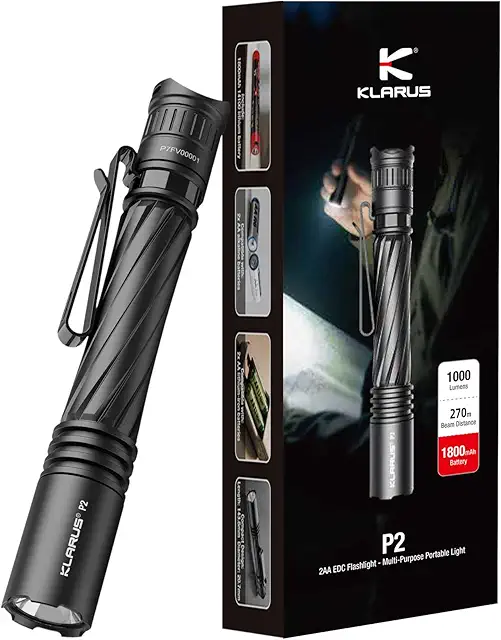
- Tactical flashlight: Bright strobe disorients attackers
- Baseball bat/tire iron: Legally defensible as sports equipment/car tools
- Know your rights: Some leases ban firearms but state law may supersede (varies by state)
- Safe storage required: Most leases that allow firearms require locked safes
- Hollow-point ammo: Reduces over-penetration risk in apartments (important for liability)
- Grills (charcoal, propane, sometimes even electric)
- Storage containers/bins
- Antennas or solar panels (sometimes)
- Electric grills: Often allowed where propane isn't
- Small solar panels: Foldable, portable, "temporary" (not mounted)
- Low-profile storage: Deck boxes that don't exceed railing height
- Balcony = solar charging location
- Balcony = ventilated cooking area
- Balcony = emergency egress point
- Weight restrictions (older buildings)
- Prohibitions on "hoarding" or "unsanitary conditions"
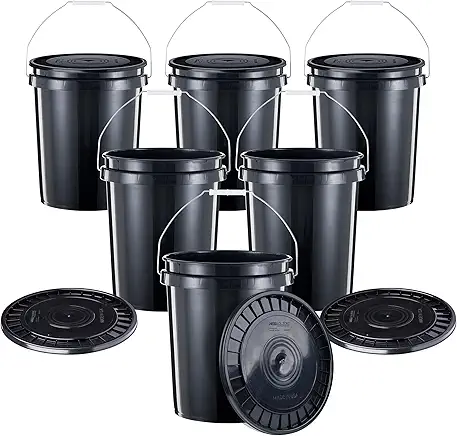
- Safe zone: 20-40 gallons (160-320 lbs) in stackable containers spread across multiple rooms
- Gray zone: 50-100 gallons (you're stressing old floors)
- Red flag: 200+ gallons (building management will notice if there's a leak)
- 7-14 gallons under bathroom sink
- 7-14 gallons in bedroom closet
- 7-14 gallons in kitchen cabinet
- Spread weight across multiple load-bearing walls
- Drilling holes in walls (for shelving, security cameras, etc.)
- Permanent installations
- Structural modifications
- Command strips: Heavy-duty versions hold 5-15 lbs (shelves, small gear)
- Tension rods: No-drill closet organizers
- Door-mounted systems: Shoe racks, over-door hooks (great for storing gear)
- Removable security bars: Fit in window/door frames, no drilling required
- You need storage solutions that don't forfeit your deposit
- You need security upgrades that are removable before move-out
- Read your lease thoroughly (they might not have, and you don't want to educate them into banning something)
- Check building codes (city/state laws sometimes supersede lease terms)
- Ask vaguely if necessary: "Are battery-powered backup power systems allowed?" not "Can I store a 2,000Wh solar generator?"
- Butane camp stoves: Some leases ban them, some don't mention them
- Large battery banks: Technically not flammable, but some landlords freak out about "fire risk"
- Ham radios with antennas: FCC may protect your right to antenna access (complicated)
- Security cameras: Recording in shared spaces may violate privacy laws
- Warning: "Remove the item within 7 days"
- Fine: $50-500 depending on severity
- Eviction: Rare unless you're causing actual danger (e.g., propane leak, fire hazard)
- Deposit forfeiture: If modifications caused damage
- Someone complains (noise, smell, visible hazard)
- Annual inspection (scheduled, you get notice)
- Emergency maintenance (leak, pest control)
- ✅ Solar generator (Jackery, EcoFlow, etc.)
- ✅ Portable solar panels
- ✅ Power banks (20,000mAh+)
- ✅ LED lanterns
- ✅ Rechargeable batteries
- ✅ Sterno canned heat
- ✅ Electric hot plate (runs off solar generator)
- ✅ Metal pot/pan for heating
- ✅ 20-40 gallons in stackable containers (spread across rooms)
- ✅ Water filter (LifeStraw, Sawyer Mini)
- ✅ Purification tablets
- ✅ Sleeping bags
- ✅ Wool blankets
- ✅ Chemical hand warmers
- ✅ Battery-powered heated blankets
- ✅ Door wedge/security bar (removable)
- ✅ Window/door alarms (battery-powered)
- ✅ Pepper spray (check state laws)
- ✅ Flashlight
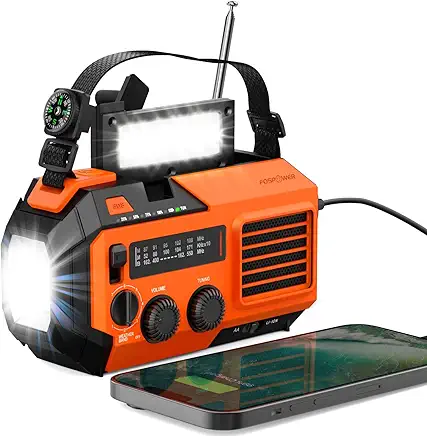
- ✅ Emergency radio (AM/FM/NOAA)
- ✅ Charged phone + power bank
What you CAN'T use:
What you CAN use instead:
#### For Cooking
#### For Heating
- Battery-powered heated blankets - Chemical hand/body warmers (HotHands) - Sleeping bags rated to 0-20°F - "Warm room" strategy (seal off one room, body heat only)
Bottom line: You lose convenience, but you gain compliance. Sterno + electric hot plate covers 90% of cooking needs.
2. Generators (Gas-Powered)
What your lease probably says: > "No operation of gasoline-powered equipment on balconies, patios, or within units."
Why they ban it:
What you CAN'T use:
What you CAN use instead:
#### Solar Generators (Battery + Inverter Systems) These are NOT banned because they produce no emissions, no noise, and no fire risk.
Budget tier ($200-400):
Mid-tier ($400-700):
High-tier ($1,000-1,500):
Recharge methods:
Pro tip: Solar generators are the single best investment for apartment preppers. They're lease-compliant, silent, and zero-maintenance.
3. Weapons and Self-Defense Tools
What your lease probably says (varies widely):
Why they ban it:
What you CAN'T use:
What you CAN use instead:
This gets legally complex, so consult your lease + local laws. But here are generally-accepted alternatives:
#### Non-Lethal Self-Defense
#### Firearms (If Allowed)
Reality check: In a 72-hour emergency, your best defense is not being a target. Keep lights off when neighbors don't have power. Don't advertise that you're prepared. Stay quiet.
The Hidden Restrictions (Read Your Lease)
4. Balcony/Patio Use Restrictions
What leases often ban:
What you CAN do:
Why it matters for prepping:
Strategy: Keep gear portable and removable. If it's not bolted down, it's harder for management to claim it violates aesthetic rules.
5. Water Storage Restrictions
Rarely explicitly banned, but sometimes limited by:
How much water is too much?
Distribution strategy:
Pro tip: If your lease mentions "excessive storage" or "fire hazards," keep aisles clear and gear organized. Inspectors care more about accessibility than quantity.
6. Modifications and Damage
What leases always ban:
What you CAN do:
Why it matters:
Gray Areas: Ask Your Landlord (Carefully)
Some items fall into gray areas. Before asking your landlord directly:
Items in the gray zone:
When in doubt, operate discreetly. If it's not bolted down, not visible from common areas, and doesn't produce noise/smell, most landlords won't care—or know.
What Happens If You Violate the Lease?
Possible consequences:
Reality check: Most landlords don't inspect unless:
Strategy: Keep banned items hidden, portable, and easily removed. A propane tank on your balcony = obvious. A Sterno can in your kitchen cabinet = invisible.
Also protect yourself with good documentation: keep digital and printed copies of your lease, any written landlord approvals, and your renters insurance policy. If a dispute arises, Lost Records covers how to reconstruct and preserve critical documents in emergencies when you need proof of what you own and what you're owed.
Building a Lease-Compliant Prep Kit
Here's a complete apartment survival kit that violates ZERO standard lease terms:
Power
Cooking
Water
Shelter/Warmth
Security
Communication
Total cost: $400-700 Lease violations: ZERO
Final Thoughts: Work With the Rules, Not Against Them
Look, I get it. It's frustrating that your lease bans propane when it's the most efficient cooking fuel. It's annoying that you can't have a gas generator when rural preppers swear by them.
But here's the thing: Apartment prepping isn't about having the same gear as homesteaders. It's about having gear that works in YOUR environment.
Solar generators are better than gas generators for apartments (silent, no fumes, no refueling). Sterno is better than propane for apartments (legal, safe indoors, no risk of eviction). Door alarms are better than firearms for apartments (legal everywhere, no liability, non-lethal).
The rules aren't there to stop you from prepping. They're there to stop you from burning down the building.
Work within them, and you'll build a better system than if you had no restrictions at all.
For the complete apartment-legal playbook—covering urban threat assessment, stealth storage, evacuation routes, and building-specific security—check out Urban Survival Code, the most thorough city-specific preparedness guide written for renters and apartment dwellers.
---
Have questions about YOUR lease? Send it to me (redacted) and I'll analyze what you can/can't do: contact@prepper.blog
RECOMMENDED GEAR
As an Amazon Associate, we earn from qualifying purchases.